.png)
.png)


Where Is the Idler Roller Location in Truck Systems and Why Does It Matter for Performance?
January 15, 2026
The idler roller location in a truck’s mechanical system plays a critical role in load distribution, belt or track alignment, and long-term component durability. In heavy-duty trucks, incorrect idler roller placement can lead to premature wear, increased friction, and even catastrophic drivetrain failure. For fleet operators, OEMs, and aftermarket buyers, understanding where the idler roller is located and how it functions is essential for optimizing vehicle uptime and maintenance costs.
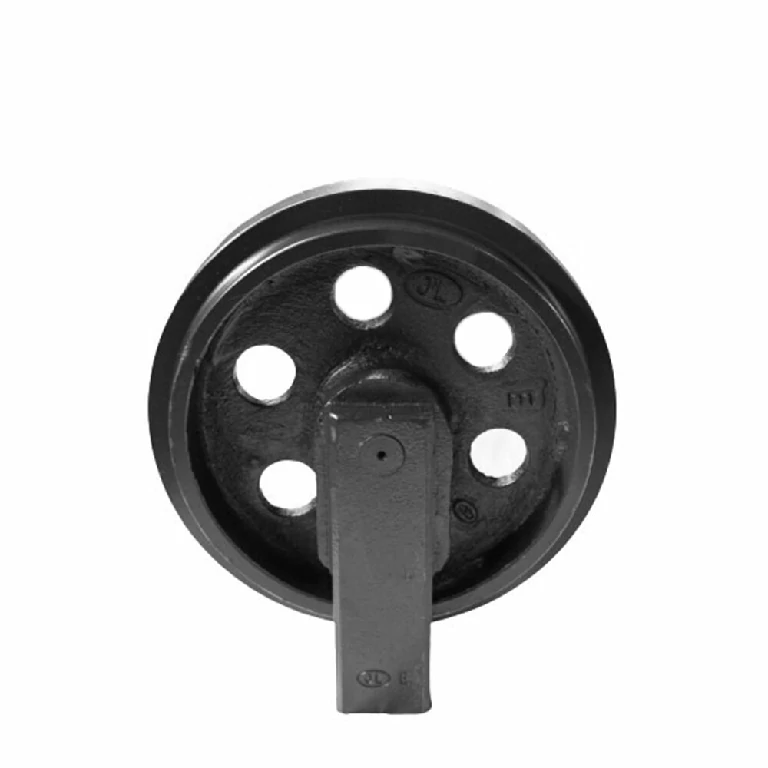
In practical terms, idler rollers are positioned to guide, tension, or support moving components such as belts, chains, or tracks. For example, in tracked or heavy-duty vehicle systems, an idler roller may be located at the front or rear of the undercarriage to maintain proper track tension. In engine accessory systems, the idler roller location ensures consistent belt routing and minimizes vibration under variable loads.
Understanding the Mechanical Function of Idler Rollers in Trucks
An idler roller is not a power-transmitting component. Instead, it supports system stability by guiding moving elements and maintaining consistent alignment under dynamic operating conditions.
In truck applications, idler rollers absorb lateral forces generated during acceleration, braking, and uneven terrain operation. Their location is carefully engineered to balance mechanical stress across adjacent components. When positioned correctly, idler rollers reduce belt slippage, prevent track derailment, and improve overall drivetrain efficiency.
From a manufacturing standpoint, the idler roller must be designed with precise dimensional tolerances, hardened bearing surfaces, and appropriate sealing to withstand dust, moisture, and continuous vibration. Even small deviations in roller geometry can amplify stress on surrounding systems when the roller is incorrectly located.
Typical Idler Roller Locations Across Truck Systems
The idler roller location varies depending on the truck’s design, operating environment, and application type.
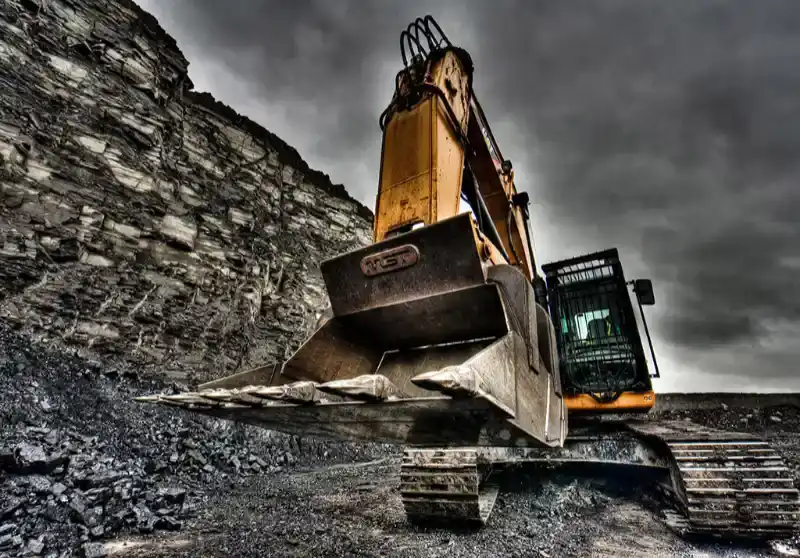
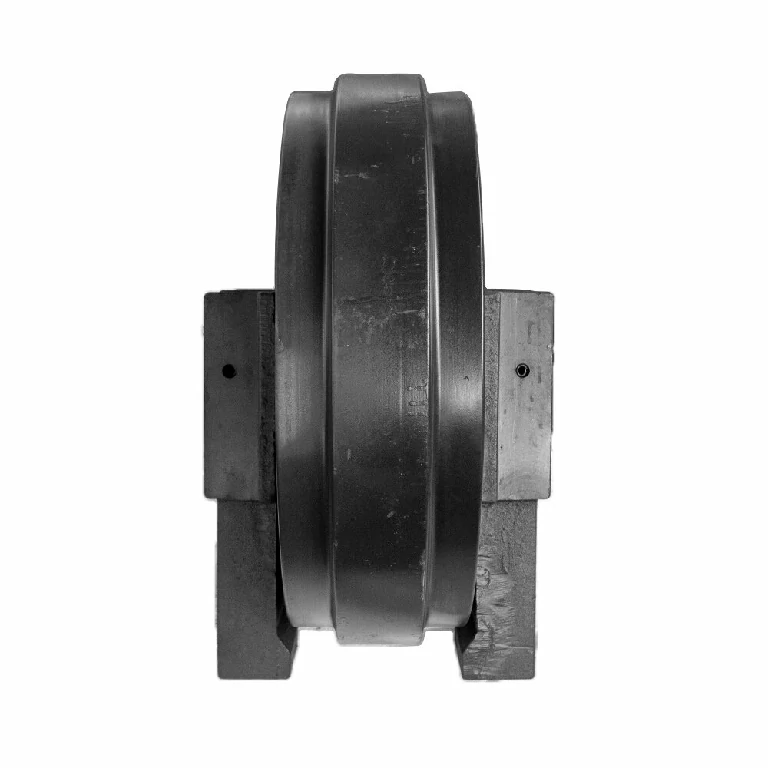
In tracked trucks or construction vehicles, idler rollers are commonly installed at the front of the undercarriage assembly. This placement helps maintain track tension while absorbing impact loads from uneven ground. In some configurations, rear-mounted idlers are used to optimize weight distribution and improve traction.
In belt-driven engine systems, idler rollers are positioned along the accessory drive path. Their role is to maintain belt wrap angle around pulleys, ensuring adequate friction and reducing noise or belt flutter. Here, placement is influenced by engine layout, accessory spacing, and thermal expansion characteristics.
Experienced engineers working with a reliable truck parts supplier will evaluate idler roller placement not only from a mechanical perspective, but also from a serviceability and lifecycle cost standpoint.
Why Idler Roller Location Directly Affects Wear and Reliability
Incorrect idler roller location is a common root cause of premature component failure in trucks.
When an idler roller is positioned too far from the load center, it may introduce uneven tension or excessive bending stress on belts or tracks. Over time, this accelerates bearing wear, increases friction losses, and leads to misalignment-related failures. In high-load trucks, these issues can escalate quickly, resulting in unplanned downtime.
Proper placement also influences thermal behavior. Poorly located idler rollers can trap heat, degrading lubrication and shortening bearing life. By contrast, optimized positioning allows for better heat dissipation and consistent operating temperatures.
Understanding the idler roller definition helps decision-makers recognize that idler rollers are not interchangeable parts. Their location and design must be matched to specific load cases and operating conditions.
Selection Criteria Linked to Idler Roller Placement
Selecting an idler roller is not only about material quality or bearing specification. Placement within the system dictates which performance attributes matter most.
For front-mounted idler rollers in tracked systems, impact resistance and shaft rigidity are critical. For engine-mounted belt idlers, low noise, smooth rotation, and precise alignment are higher priorities. Environmental exposure also affects material choice, particularly in off-road or high-dust environments.
Different idler roller types are engineered for specific placement scenarios, including fixed idlers, adjustable tensioners, and self-aligning designs. Matching the correct type to the correct location significantly extends service life.
Comparative Overview of Common Idler Roller Locations
Table 1: Typical Idler Roller Locations and Functional Impact in Truck Systems
| Idler Roller Location | Primary Function | Key Stress Factors | Typical Application |
|---|---|---|---|
| Front undercarriage | Track tensioning | Impact loads | Tracked trucks |
| Rear undercarriage | Load stabilization | Continuous compression | Heavy transport |
| Engine belt path | Belt alignment | Thermal cycling | Commercial trucks |
| Auxiliary systems | Vibration control | Misalignment risk | Specialized vehicles |
Maintenance and Inspection Considerations
Routine inspection of idler rollers should always consider location-specific wear patterns. Front-mounted rollers are more prone to impact damage, while belt-driven idlers typically show signs of bearing fatigue or surface polishing.
Maintenance schedules should be adjusted based on operating conditions and roller placement. In high-duty cycles, predictive maintenance using vibration analysis or thermal monitoring can prevent failures before they occur.
Contact our engineering team to discuss idler roller selection and placement strategies for your truck systems.
Frequently Asked Questions
Where is the idler roller located in most trucks?
The idler roller location depends on system design, but it is commonly found in undercarriage assemblies or engine belt drive systems.
Can incorrect idler roller placement damage other components?
Yes. Misplacement can cause misalignment, increased friction, and accelerated wear of belts, tracks, and bearings.
Are idler rollers standardized across truck models?
No. Dimensions, load ratings, and placement vary by manufacturer and application.
How often should idler rollers be replaced?
Replacement intervals depend on operating conditions, load cycles, and maintenance practices, but regular inspection is essential.
About Tianzhong Machinery
Tianzhong Machinery is a manufacturing-focused brand supporting industrial and vehicle system applications with an emphasis on engineering reliability and component integration. By combining technical expertise, quality control, and application-driven design, Tianzhong Machinery helps global customers improve system performance, reduce maintenance risk, and extend equipment lifecycle across demanding operating environments.
References
- Wikipedia – Idler pulley
https://en.wikipedia.org/wiki/Idler_pulley - SAE International – Vehicle mechanical systems fundamentals
https://www.sae.org - Engineering Explained – Belt drive and tension systems overview