.png)
.png)


Perincian Pakar 2026: Berapa Harga Dudukan Mesin untuk Truk?
31 Desember 2025
Abstrak
Analisis ini memberikan pemeriksaan komprehensif mengenai biaya yang terkait dengan penggantian dudukan mesin truk di pasar otomotif tahun 2026. Studi ini membedah total biaya menjadi beberapa bagian penyusunnya: biaya dudukan itu sendiri dan biaya tenaga kerja untuk pemasangan. Studi ini mengeksplorasi variasi harga yang signifikan yang bergantung pada beberapa faktor utama, termasuk merek, model, dan tahun truk; jenis dudukan mesin tertentu yang diperlukan (misalnya, karet, hidraulik, poliuretan); dan pilihan antara suku cadang asli (OEM) dan suku cadang purnajual. Selain itu, investigasi ini juga mempertimbangkan kesenjangan ekonomi yang memengaruhi tingkat upah tenaga kerja di berbagai wilayah geografis, seperti Eropa, Asia Tenggara, dan Amerika, serta perbedaan harga antara pusat servis dealer dan bengkel independen. Tujuannya adalah untuk membekali pemilik truk dan manajer armada dengan kerangka kerja keuangan yang terperinci, sehingga mereka dapat menavigasi proses penggantian dengan pemahaman yang jelas tentang potensi pengeluaran dan variabel yang membentuknya, sehingga memfasilitasi keputusan pemeliharaan yang tepat dan ekonomis.
Hal-hal Penting yang Dapat Dipetik
- Total biaya merupakan kombinasi dari sejumlah suku cadang, yang berkisar dari $50 hingga lebih dari $800, dan tenaga kerja.
- Biaya tenaga kerja sangat bervariasi berdasarkan lokasi Anda dan kompleksitas desain truk.
- Dudukan hidraulik dan elektronik lebih mahal daripada opsi karet atau poliuretan standar.
- Untuk memahami berapa harga dudukan mesin, Anda perlu membandingkan antara suku cadang OEM dan suku cadang aftermarket yang berkualitas.
- Pemeriksaan rutin dan kebiasaan mengemudi yang mulus dapat memperpanjang usia dudukan mesin Anda.
- Memilih antara dealer dan mekanik independen akan berdampak pada tagihan perbaikan akhir.
- Getaran yang berlebihan dan bunyi berderak merupakan indikator yang jelas bahwa diperlukan penggantian.
Daftar Isi
- Peran Dasar Dudukan Mesin pada Truk
- Mengenali Tanda-Tandanya: Gejala-gejala Dudukan Mesin yang Gagal
- Menjawab Pertanyaan Finansial: Berapa Harga Dudukan Mesin pada Tahun 2026?
- Lima Variabel Inti yang Mempengaruhi Faktur Akhir Anda
- Lensa Global: Variasi Biaya di Seluruh Pasar Internasional
- Dilema Memperbaiki vs Mengganti
- Strategi Pencegahan: Memperpanjang Umur Dudukan Mesin Anda
- Pertanyaan yang Sering Diajukan (FAQ)
- Kesimpulan
- Referensi
Peran Dasar Dudukan Mesin pada Truk
Untuk benar-benar memahami pentingnya dudukan mesin, akan sangat membantu jika kita menganggapnya bukan sebagai braket sederhana, tetapi sebagai mediator yang canggih. Bayangkan memegang motor yang kuat dan bergetar di tangan Anda. Tanpa suatu bentuk bantalan, kekuatannya akan menggelegar, dan langsung ditransfer ke lengan dan tubuh Anda. Dudukan mesin melakukan fungsi yang tepat untuk sasis truk Anda. Ini adalah perantara penting antara tenaga dan getaran mesin yang sangat besar dan kerangka struktural kendaraan. Pada intinya, dudukan mesin memiliki dua tanggung jawab utama, dan tampaknya bertentangan.
Pertama, ia harus mengencangkan mesin dan transmisi dengan aman ke subframe truk. Ini adalah tugas yang sangat penting secara struktural. Mesin adalah salah satu komponen terberat dalam kendaraan apa pun, dan menghasilkan torsi yang besar, yang merupakan gaya rotasi. Dudukan harus cukup kuat untuk menahan gaya ini, menjaga agar mesin tidak terpuntir dan bergerak secara berlebihan selama akselerasi, perlambatan, dan perpindahan gigi. Tanpa sambungan yang aman ini, mesin dapat bergeser secara dramatis, yang berpotensi merusak selang, sabuk, dan kabel, atau bahkan menyebabkan kegagalan besar pada drivetrain.
Kedua, harus mengisolasi dan menyerap getaran yang dihasilkan oleh mesin. Mesin pembakaran internal, pada dasarnya, merupakan sumber getaran yang konstan. Ledakan yang terkendali di dalam silindernya menciptakan osilasi yang berirama, dan sering kali intens. Dudukan direkayasa dengan bahan peredam, biasanya berupa balok karet yang kuat atau ruang hidraulik berisi cairan yang lebih kompleks, untuk meredam getaran ini. Hal ini mencegah getaran merambat melalui rangka truk dan masuk ke dalam kabin, memastikan perjalanan yang lebih mulus dan tenang bagi pengemudi dan penumpang. Fungsi ini tidak hanya untuk kenyamanan; tetapi juga melindungi komponen elektronik yang sensitif di seluruh kendaraan dari kerusakan yang disebabkan oleh guncangan yang tak henti-hentinya. Pada truk tugas berat, peran ini diperbesar karena ukuran dan kekuatan mesin diesel yang besar.
Filosofi yang Berbeda dari Desain Gunung
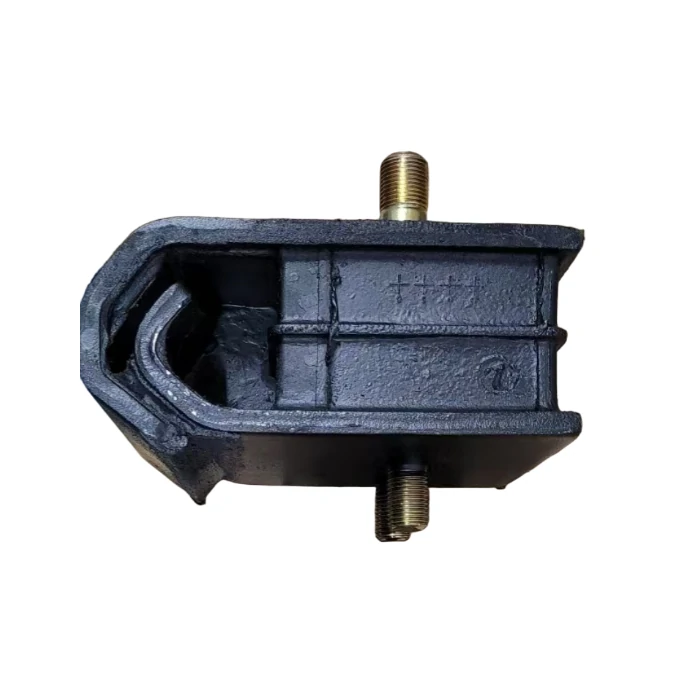
Tidak semua dudukan mesin dibuat sama. Desainnya mencerminkan filosofi khusus yang menyeimbangkan performa, kenyamanan, dan biaya. Jenis yang paling umum adalah dudukan karet konvensional. Terdiri dari rangka logam dengan balok karet yang diformulasikan khusus yang diikat padanya. Karet ini memberikan keseimbangan yang baik antara kekuatan dan penyerapan getaran, sehingga menjadi solusi yang hemat biaya untuk banyak kendaraan standar.
Satu langkah lebih maju dari ini adalah dudukan hidraulik, juga dikenal sebagai dudukan hidro. Dudukan ini lebih kompleks, berisi ruang berongga yang diisi dengan cairan hidrolik. Saat mesin bergetar, cairan dipaksa melalui lubang kecil di dalam ruang, sebuah proses yang secara aktif meredam getaran jauh lebih efektif daripada karet padat, terutama pada kecepatan mesin yang bervariasi. Ini sering ditemukan pada aplikasi yang lebih premium atau tugas berat yang mengutamakan kualitas pengendaraan.
Untuk aplikasi yang berorientasi pada performa, dudukan poliuretan adalah pilihan yang populer. Poliuretan adalah bahan yang lebih kaku daripada karet. Kekakuan ini menghasilkan gerakan mesin yang lebih sedikit, yang dapat meningkatkan respons throttle dan rasa koneksi ke drivetrain. Namun, trade-off-nya adalah peningkatan yang nyata dalam jumlah getaran mesin yang terasa di dalam kabin.
Terakhir, beberapa truk modern menggunakan dudukan mesin aktif atau elektronik. Ini adalah yang paling canggih, menggunakan sensor dan elektromagnet untuk secara aktif menangkal getaran mesin secara real-time, menawarkan yang terbaik dari kedua dunia: getaran minimal dengan kontrol mesin yang sangat baik. Tentu saja, kerumitannya tercermin dari biayanya.
Mengenali Tanda-Tandanya: Gejala-gejala Dudukan Mesin yang Gagal
Dudukan mesin, seperti halnya bagian apa pun yang mengalami tekanan, panas, dan getaran yang terus-menerus, pada akhirnya akan aus. Karet dapat mengering, retak, dan terpisah, atau cairan dalam dudukan hidraulik dapat bocor, sehingga membuatnya tidak efektif. Mengenali gejala-gejala kegagalan dudukan sejak dini dapat mencegah kerusakan yang lebih signifikan dan mahal di kemudian hari. Tanda-tandanya sering kali tidak kentara pada awalnya, tetapi akan semakin jelas seiring berjalannya waktu.
Petunjuk Sensorik: Apa yang Mungkin Anda Rasakan dan Dengar
Gejala yang paling cepat dan umum dari dudukan mesin yang buruk adalah peningkatan getaran kabin. Anda mungkin merasakannya melalui roda kemudi, lantai, atau kursi. Getaran ini sering kali paling terasa ketika kendaraan dalam keadaan diam di dalam gigi atau saat akselerasi ketika mesin bekerja paling keras.
Tanda-tanda lain yang dapat dikenali adalah suara bising. Anda mungkin mendengar bunyi "dentingan" atau "gedebuk" yang berbeda ketika Anda berakselerasi, mengerem, atau memindahkan gigi. Suara ini disebabkan oleh mesin yang bergeser secara fisik dan melakukan kontak dengan bagian lain dari ruang mesin karena dudukan tidak lagi menahannya dengan aman. Dudukan yang aus juga dapat menghasilkan suara gemuruh atau berderak yang berubah seiring dengan kecepatan mesin.
Inspeksi Visual: Apa yang Harus Diperhatikan
Inspeksi visual sering kali dapat memastikan kecurigaan Anda. Dengan mesin mati dan dingin, Anda dapat memeriksa dudukannya. Carilah retakan yang dalam, keretakan, atau tanda-tanda bahwa karet telah terpisah dari rangka logam. Untuk dudukan hidraulik, setiap bukti kebocoran cairan adalah tanda pasti kegagalan. Dudukan akan sering terlihat basah atau dilapisi residu berminyak yang gelap.
Anda juga dapat melakukan tes sederhana dengan seorang pembantu. Dengan kendaraan di parkiran dan rem darurat diinjak dengan kuat, mintalah seseorang untuk mengawasi mesin sementara Anda secara singkat dan perlahan-lahan menggeser antara drive dan mundur. Sejumlah kecil gerakan adalah normal, tetapi jika mesin bergetar atau terangkat secara signifikan, ini merupakan indikasi kuat bahwa satu atau beberapa dudukan telah gagal. Gerakan yang berlebihan ini memberikan tekanan berat pada komponen lain, seperti pipa knalpot, sudut poros penggerak, dan selang radiator, sehingga penggantian yang tepat waktu merupakan masalah perawatan pencegahan.
Menjawab Pertanyaan Finansial: Berapa Harga Dudukan Mesin pada Tahun 2026?
Menentukan angka yang tepat untuk "berapa biaya dudukan mesin" membutuhkan pemahaman bahwa tagihan akhir adalah gabungan dari dua elemen yang berbeda: harga komponen fisik dan biaya tenaga kerja terampil yang diperlukan untuk memasangnya. Kedua angka ini dapat bervariasi secara dramatis berdasarkan jaringan faktor yang saling berhubungan. Biaya bukanlah angka tunggal, melainkan sebuah spektrum, yang dibentuk oleh spesifikasi kendaraan Anda dan lingkungan ekonomi di lokasi Anda.
Sebuah Kisah tentang Dua Biaya: Suku Cadang vs Tenaga Kerja
Total biaya pekerjaan pada dasarnya adalah jumlah. Di satu sisi, Anda memiliki biaya dudukan mesin itu sendiri. Sebuah truk umumnya memiliki antara dua hingga empat dudukan, termasuk dudukan transmisi yang memiliki tujuan serupa. Anda mungkin hanya perlu mengganti satu saja, atau mungkin disarankan untuk menggantinya sebagai satu set, terutama jika usianya sama.
Di sisi lain, Anda memiliki biaya tenaga kerja. Ini dihitung berdasarkan tarif bengkel per jam dikalikan dengan jumlah jam kerja yang diharapkan, yang sering disebut sebagai "waktu pemesanan". Waktu pengerjaan untuk penggantian dudukan engine dapat berkisar dari satu jam hingga enam jam atau lebih untuk truk berpenggerak empat roda yang rumit di mana komponen seperti gandar depan atau sistem pembuangan harus dilepas untuk mendapatkan akses.
Harga Bagian: Perincian Rinci
Biaya dudukan mesin itu sendiri adalah variabel utama yang pertama. Hal ini ditentukan oleh jenis dudukan, pabrikan, dan apakah Anda memilih suku cadang OEM atau aftermarket. Saat kita memasuki tahun 2026, dinamika rantai pasokan dan biaya material terus mempengaruhi harga secara keseluruhan.
| Kelas Truk | Biaya Rata-Rata per Dudukan (OEM) | Biaya Rata-Rata per Dudukan (Purna Jual) | Contoh Jenis Dudukan |
|---|---|---|---|
| Truk Tugas Ringan (mis. Ford Ranger, Toyota Hilux) | $80 – $250 | $50 – $150 | Karet Konvensional, beberapa Hidraulik |
| Truk Tugas Sedang (misalnya, Isuzu NPR, Ford F-450) | $150 – $450 | $100 – $300 | Karet Hidraulik, Tugas Berat |
| Truk Tugas Berat (mis., Kenworth W900, Scania R-Series) | $300 – $800+ | $200 – $550 | Hidraulik Canggih, Elektronik |
Seperti yang diilustrasikan dalam tabel, dudukan karet sederhana untuk truk tugas ringan mungkin relatif murah. Sebaliknya, dudukan hidraulik elektronik atau hidraulik berisi cairan yang canggih untuk truk Eropa tugas berat modern seperti Scania atau Volvo akan memiliki harga yang jauh lebih mahal, karena desainnya yang rumit dan material canggih yang digunakan dalam konstruksinya (Caterpillar, 2022). Pilihan antara OEM dan purnajual juga merupakan keputusan finansial yang signifikan. Suku cadang OEM dibuat oleh pabrikan asli kendaraan dan identik dengan suku cadang yang digunakan untuk membuat truk Anda. Suku cadang ini menjamin kesesuaian dan kinerja yang sempurna, tetapi harganya mahal. Suku cadang aftermarket berkualitas tinggi, seperti yang berasal dari pemasangan mesin truk dapat menawarkan kualitas dan daya tahan yang sebanding dengan harga yang lebih terjangkau, sehingga memberikan alternatif yang berharga bagi pemilik dan manajer armada yang memiliki anggaran terbatas.
Biaya Tenaga Kerja: Waktu, Keterampilan, dan Lokasi
Tenaga kerja sering kali merupakan bagian terbesar dari total biaya penggantian. Faktor utama di sini adalah tarif mekanik per jam dan waktu yang dibutuhkan untuk menyelesaikan pekerjaan.
| Kelas Truk / Drivetrain | Perkiraan Jam Kerja | Tarif Rata-Rata Per Jam (Kisaran) | Perkiraan Total Biaya Tenaga Kerja |
|---|---|---|---|
| Tugas Ringan (2WD) | 1,5 - 2,5 jam | $80 – $180 | $120 – $450 |
| Tugas Ringan (4WD) | 2,5 - 4,0 jam | $80 – $180 | $200 – $720 |
| Truk Tugas Sedang | 3,0 - 5,0 jam | $100 – $220 | $300 – $1,100 |
| Truk Tugas Berat | 4,0 - 6,0+ jam | $120 – $250+ | $480 – $1,500+ |
Tarif tenaga kerja sangat dipengaruhi oleh lokasi geografis. Bengkel di kota besar di Eropa akan memiliki biaya overhead yang lebih tinggi dan tarif per jam yang lebih mahal daripada bengkel di daerah pedesaan di Asia Tenggara atau Amerika Selatan. Kerumitan kendaraan juga memainkan peran yang sangat besar. Pada truk ringan berpenggerak dua roda yang sederhana, dudukannya mungkin mudah diakses. Pada truk tugas berat berpenggerak empat roda modern, mekanik mungkin perlu melepas komponen drivetrain, sistem pembuangan, atau bahkan mengangkat kabin untuk mengakses dudukan, yang secara signifikan meningkatkan waktu kerja dan, akibatnya, biaya.
Lima Variabel Inti yang Mempengaruhi Faktur Akhir Anda
Untuk memahami spektrum potensi biaya, perlu untuk memeriksa lima variabel utama yang berinteraksi untuk menentukan tagihan akhir Anda. Faktor-faktor ini menjelaskan mengapa penggantian yang tampaknya sederhana pada satu truk bisa sangat berbeda biayanya dengan pekerjaan yang sama pada truk lain.
Merek, Model, dan Tahun Kendaraan
Identitas truk Anda adalah titik awal untuk estimasi biaya. Produsen seperti Caterpillar dan Komatsu, yang dikenal dengan alat beratnya yang tangguh, mendesain suku cadang untuk daya tahan yang sangat tinggi, yang tercermin dari biayanya (Komatsu, 2025). Demikian pula, merek truk premium Eropa sering kali menggunakan desain dudukan yang lebih canggih dan eksklusif dibandingkan dengan model yang lebih standar. Tahun kendaraan juga penting. Model yang lebih tua dan lebih umum kemungkinan besar akan memiliki ketersediaan suku cadang purnajual yang lebih luas dan terjangkau. Model yang baru atau kurang umum mungkin memiliki pilihan terbatas, memaksa Anda untuk membeli suku cadang OEM yang lebih mahal dari dealer.
Jenis dan Bahan Dudukan Mesin
Seperti yang sudah dibahas, teknologi di dalam dudukan adalah pendorong biaya utama.
- Dudukan Karet Konvensional: Ini adalah yang paling dasar dan terjangkau. Mereka cocok untuk banyak aplikasi, tetapi menawarkan peredaman getaran yang paling rendah.
- Dudukan Poliuretan: Dengan harga yang sedikit lebih tinggi dari karet, ban ini menawarkan peningkatan performa dengan mengurangi kelenturan mesin, namun mengorbankan kenyamanan berkendara.
- Dudukan Hidraulik (Hidro): Dudukan berisi cairan ini menawarkan isolasi getaran yang unggul dan umum digunakan pada truk tugas ringan modern dan sebagian besar truk tugas sedang hingga berat. Kerumitannya membuat harganya jauh lebih mahal daripada dudukan padat.
- Dudukan Elektronik/Aktif: Ditemukan di ujung tertinggi pasar, ini menggunakan elektronik untuk secara aktif meniadakan getaran. Mereka menawarkan kehalusan yang tak tertandingi tetapi sejauh ini merupakan yang paling mahal untuk diganti. Kegagalan pada salah satu dari jenis ini dapat dengan mudah menyebabkan tagihan perbaikan yang melebihi seribu dolar untuk komponennya saja.
Suku Cadang OEM vs Suku Cadang Purna Jual
Ini adalah dilema klasik dalam perawatan kendaraan.
- Produsen Peralatan Asli (OEM): Semua komponen ini identik dengan apa yang dipasang di pabrik. Suku cadang ini menjamin kesesuaian, bentuk, dan fungsi. Ketenangan pikiran dan jaminan kualitas suku cadang OEM hadir dengan harga tertinggi. Untuk kendaraan yang masih dalam masa garansi, menggunakan suku cadang OEM sering kali merupakan persyaratan.
- Purna jual: Suku cadang ini diproduksi oleh perusahaan selain produsen kendaraan asli. Kualitasnya dapat berkisar dari yang buruk hingga yang sangat baik. Pemasok aftermarket yang memiliki reputasi baik, seperti yang dapat ditemukan di atau, dapat menyediakan suku cadang yang memenuhi atau melampaui spesifikasi OEM dengan biaya yang lebih rendah. Namun, sangat penting untuk memilih merek tepercaya untuk menghindari kegagalan dini. Dudukan aftermarket berkualitas rendah mungkin menghemat uang pada awalnya, tetapi dapat gagal dengan cepat, yang menyebabkan biaya tenaga kerja berulang kali.
Lokasi Geografis
Dunia bukanlah lanskap ekonomi yang datar, dan hal ini tercermin dengan jelas dalam biaya perbaikan mobil. Tarif tenaga kerja di wilayah maju seperti Eropa Barat, Oseania, atau wilayah metropolitan utama di Amerika Utara bisa dua hingga tiga kali lebih tinggi daripada di wilayah berkembang di Asia Tenggara, Afrika, atau sebagian Amerika Selatan. Perbedaan ini disebabkan oleh perbedaan upah, biaya overhead, dan pajak. Ketersediaan dan biaya pengiriman suku cadang juga dapat bervariasi menurut wilayah, yang selanjutnya berdampak pada harga total.
Pilihan Bengkel
Di mana Anda memilih untuk menyelesaikan pekerjaan memiliki dampak besar pada tagihan akhir.
- Dealer: Dealer akan memiliki teknisi yang terlatih dari pabrik dan hampir secara eksklusif menggunakan suku cadang OEM. Mereka menawarkan tingkat keahlian tertinggi untuk kendaraan spesifik Anda, tetapi juga mengenakan tarif tenaga kerja dan harga suku cadang tertinggi.
- Bengkel Independen: Mekanik lokal tepercaya sering kali dapat melakukan pekerjaan yang sama dengan tarif per jam yang jauh lebih rendah. Mereka juga menawarkan fleksibilitas yang lebih tinggi, sehingga Anda dapat memilih antara suku cadang OEM dan suku cadang aftermarket yang sesuai dengan anggaran Anda. Kuncinya adalah menemukan bengkel yang berpengalaman menangani jenis truk Anda.
- Spesialis Truk Tugas Berat: Untuk truk tugas sedang dan berat, bengkel khusus sering kali merupakan pilihan terbaik. Mereka memiliki peralatan tugas berat yang diperlukan (lift, kerekan mesin) dan keahlian khusus yang diperlukan untuk kendaraan komersial. Tarif mereka mungkin lebih tinggi daripada bengkel mobil standar, tetapi biasanya lebih rendah daripada dealer.
Lensa Global: Variasi Biaya di Seluruh Pasar Internasional
Pertanyaan tentang "berapa harga dudukan mesin" memiliki dimensi yang berbeda ketika dilihat melalui lensa global. Target pasar Eropa, Asia Tenggara, Timur Tengah, Amerika Selatan, Oseania, dan Afrika mewakili spektrum yang luas dari kondisi ekonomi, pasar tenaga kerja, dan tantangan logistik.
Dalam Eropakhususnya di negara-negara seperti Jerman, Swiss, dan negara-negara Nordik, Anda dapat mengharapkan tingkat tenaga kerja tertinggi. Namun, pasarnya sudah matang, dengan akses yang sangat baik ke suku cadang OEM dan purnajual berkualitas tinggi untuk merek Eropa seperti Scania, Volvo, dan Mercedes-Benz. Penekanan di sini sering kali pada kualitas dan umur panjang, dengan banyak pemilik memilih suku cadang OEM meskipun harganya mahal.
Dalam Asia TenggaraDi negara-negara seperti Thailand, Malaysia, dan Vietnam, biaya tenaga kerja jauh lebih rendah. Hal ini dapat membuat pekerjaan penggantian secara keseluruhan menjadi lebih terjangkau. Pasar didominasi oleh merek Jepang seperti Isuzu, Hino, dan Fuso, dan suku cadang untuk kendaraan ini umumnya berlimpah dan harganya bersaing. Tantangannya terkadang adalah mencari suku cadang berkualitas untuk truk Eropa atau Amerika yang kurang umum.
The Timur Tengahterutama di negara-negara Dewan Kerja Sama Teluk (GCC) seperti UEA dan Arab Saudi, memberikan gambaran yang beragam. Tingkat upah tenaga kerja moderat, sering kali dilakukan oleh tenaga kerja ekspatriat dalam jumlah besar. Terdapat permintaan yang tinggi untuk truk Amerika dan Jepang, dan ketersediaan suku cadang pada umumnya baik. Iklim yang keras dan panas dapat mempercepat degradasi komponen karet, yang berpotensi menyebabkan penggantian yang lebih sering.
Dalam Amerika Selatanpasar seperti Brasil dan Argentina memiliki kehadiran manufaktur lokal yang kuat untuk merek-merek seperti truk Volkswagen dan Mercedes-Benz. Hal ini berarti ketersediaan suku cadang OEM yang baik. Namun, tarif impor suku cadang untuk merek lain bisa jadi tinggi, dan nilai tukar yang berfluktuasi dapat membuat harga tidak dapat diprediksi. Tarif tenaga kerja umumnya lebih rendah daripada di Amerika Utara atau Eropa.
Oseaniaterutama Australia dan Selandia Baru, memiliki biaya tenaga kerja yang tinggi, mirip dengan Eropa Barat. Pasar ini memiliki campuran beragam truk Amerika, Eropa, dan Jepang. Karena isolasi geografisnya yang relatif, suku cadang, terutama untuk model yang kurang umum, mungkin perlu dikirim, sehingga menambah biaya dan waktu perbaikan.
Dalam Afrikasituasinya sangat bervariasi. Di pusat-pusat yang lebih maju seperti Afrika Selatan, terdapat jaringan yang mapan untuk suku cadang dan servis, dengan biaya yang tidak terlalu tinggi. Di banyak bagian lain di benua ini, logistik untuk mendapatkan suku cadang yang tepat dapat menjadi tantangan besar dan menjadi pemicu biaya yang signifikan. Ketergantungan pada model kendaraan yang lebih tua merupakan hal yang umum, yang dapat menjadi berkah (mekanik yang lebih sederhana) dan kutukan (suku cadang yang langka).
Dilema Memperbaiki vs Mengganti
Ketika dihadapkan pada dudukan mesin yang rusak, beberapa orang mungkin bertanya-tanya apakah perbaikan dapat dilakukan. Dapatkah karet diikat kembali atau cairan hidraulik diisi ulang? Dari sudut pandang praktis dan keamanan, jawaban untuk hampir semua dudukan engine truk modern adalah tidak.
Dudukan mesin direkayasa sebagai unit yang disegel dan tidak dapat diservis. Proses pengikatan karet ke logam membutuhkan peralatan dan proses industri khusus yang tidak dapat direplikasi di bengkel. Untuk dudukan hidraulik, segel dan diafragma internal dirancang untuk satu siklus hidup; setelah cairan bocor, mekanisme internal akan terganggu.
Mencoba melakukan perbaikan sementara-misalnya, menggunakan epoksi atau mengisi kekosongan dengan senyawa pengerasan-sangat berbahaya. "Perbaikan" semacam itu akan menciptakan sambungan yang kokoh antara mesin dan rangka. Meskipun mungkin untuk sementara waktu mesin tidak dapat bergerak, namun tidak dapat meredam getaran. Hal ini akan mentransfer kekuatan penuh getaran mesin langsung ke sasis, yang menyebabkan pengendaraan yang menggetarkan tulang, potensi kegagalan komponen lain, dan pada akhirnya, kegagalan besar dari perbaikan darurat itu sendiri. Oleh karena itu, penggantian adalah satu-satunya tindakan yang aman dan benar.
Strategi Pencegahan: Memperpanjang Umur Dudukan Mesin Anda
Meskipun pada akhirnya penggantian tidak dapat dihindari, praktik-praktik tertentu dapat membantu Anda memaksimalkan usia pakai dudukan engine Anda, sehingga menekan biaya lebih jauh di masa mendatang. Strategi ini berakar pada filosofi pengoperasian yang lancar dan pemeriksaan yang rajin, yang sejalan dengan saran perawatan yang diberikan oleh produsen untuk sistem penting lainnya seperti undercarriage (Komatsu, 2025).
Kebiasaan Operasional
Cara truk dikemudikan memiliki dampak langsung pada tekanan yang diberikan pada dudukan mesinnya.
- Akselerasi dan Pengereman yang mulus: Start yang tiba-tiba dan berhenti dengan keras menyebabkan mesin bergerak maju dan mundur, sehingga memberikan tekanan yang sangat besar pada tunggangan. Gaya mengemudi yang lebih halus meminimalkan tekanan ini.
- Pemindahan gigi dengan hati-hati: Untuk transmisi manual, hindari penggunaan kopling yang tersendat-sendat dan pergantian gigi yang kasar untuk mengurangi guncangan puntir pada seluruh drivetrain, termasuk dudukannya.
- Hindari Medan yang Kasar Jika Memungkinkan: Meskipun banyak truk yang dibuat untuk itu, namun seringnya melintasi jalan berlubang, jalan yang kasar, dan lokasi konstruksi dengan kecepatan tinggi, akan mengirimkan guncangan ke seluruh bagian kendaraan, yang harus diserap oleh tunggangannya.
Pemeliharaan dan Inspeksi
Pemeliharaan proaktif adalah kunci untuk umur panjang.
- Inspeksi Visual secara berkala: Selama penggantian oli rutin atau servis lainnya, luangkan waktu sejenak untuk memeriksa dudukan mesin secara visual. Carilah tanda-tanda penuaan: retakan pada karet, pemisahan dari rumah logam, atau kebocoran cairan dari unit hidraulik.
- Jaga Kebersihan Ruang Mesin: Oli dan cairan otomotif lainnya bersifat korosif terhadap karet. Kebocoran oli yang signifikan yang memenuhi dudukan mesin akan menyebabkan karet membengkak, melunak, dan terdegradasi dengan cepat. Menjaga mesin Anda tetap bersih dan mengatasi kebocoran cairan dengan segera dapat menyelamatkan dudukan Anda.
- Dengarkan Truk Anda: Perhatikan suara atau getaran baru. Kegagalan dudukan pada tahap awal mungkin muncul sebagai getaran baru yang kecil saat idle. Menangkapnya pada tahap ini, sebelum menjadi bunyi yang keras, dapat mencegah kerusakan tambahan pada komponen lainnya.
Dengan menerapkan kebiasaan ini, Anda tidak hanya menjaga dudukan mesin; Anda juga mempromosikan kesehatan seluruh kendaraan, memastikannya beroperasi sebagai sistem yang kohesif dan direkayasa dengan baik sesuai dengan desainnya.
Pertanyaan yang Sering Diajukan (FAQ)
Berapa lama waktu yang dibutuhkan mekanik untuk mengganti dudukan mesin truk? Waktunya dapat bervariasi secara signifikan. Untuk truk ringan berpenggerak dua roda yang sederhana, mungkin diperlukan waktu 1,5 hingga 2,5 jam. Untuk truk tugas berat berpenggerak empat roda yang memerlukan pemindahan as roda atau komponen utama lainnya, pekerjaan ini dapat memakan waktu antara 4 hingga 6 jam atau bahkan lebih.
Dapatkah saya mengganti dudukan mesin truk saya sendiri untuk menghemat uang? Meskipun secara teknis dapat dilakukan oleh montir rumahan yang berpengalaman, hal ini tidak disarankan untuk kebanyakan orang, terutama pada truk yang lebih besar. Pekerjaan ini membutuhkan alat khusus, termasuk kerekan mesin berkualitas atau palang penopang untuk mengangkat mesin dengan aman. Kegagalan dalam menyangga mesin dengan benar dapat mengakibatkan kerusakan besar pada kendaraan atau cedera pribadi yang serius. Mengingat risiko keselamatan dan peralatan khusus yang dibutuhkan, pekerjaan ini sering kali sebaiknya diserahkan kepada para profesional.
Apakah aman mengemudikan truk saya dengan dudukan mesin yang rusak? Mengemudi dengan dudukan mesin yang rusak tidak aman dan harus dihindari. Dudukan yang rusak memungkinkan pergerakan mesin yang berlebihan, yang dapat merusak kabel, selang, dan komponen knalpot. Dalam skenario terburuk, gerakan mesin yang parah dapat mempengaruhi hubungan throttle atau menyebabkan poros penggerak terlepas, yang menyebabkan hilangnya kendali sepenuhnya. Ini adalah masalah yang harus segera diatasi.
Jika salah satu dudukan mesin rusak, haruskah saya mengganti semuanya secara bersamaan? Hal ini sangat dianjurkan. Dudukan mesin mengalami kondisi yang sama dan keausan pada tingkat yang sama. Jika salah satu dudukan rusak karena usia dan keausan, maka dudukan yang lain kemungkinan besar juga akan mengalami hal yang sama. Mengganti semuanya sekaligus akan menghemat biaya tenaga kerja dalam jangka panjang, karena proses penyangga mesin untuk mengganti satu dudukan akan memberikan akses ke dudukan lainnya.
Bagaimana saya tahu jika saya mendapatkan harga yang wajar untuk penggantian? Untuk memastikan Anda mendapatkan harga yang adil, sebaiknya Anda mendapatkan penawaran harga dari setidaknya dua atau tiga toko yang berbeda. Mintalah rincian biaya suku cadang dan tenaga kerja. Tanyakan apakah mereka mengutip suku cadang OEM atau suku cadang aftermarket. Hal ini akan memungkinkan Anda untuk membuat perbandingan yang tepat dan memahami dengan tepat apa yang Anda bayar.
Apakah dudukan mesin baru akan membuat truk saya terasa berbeda? Tentu saja. Salah satu hasil yang paling memuaskan dari penggantian dudukan mesin yang sudah usang adalah peningkatan kualitas pengendaraan secara langsung. Anda akan melihat pengurangan getaran kabin yang signifikan, terutama pada saat idle, dan menghilangkan suara berdecit selama akselerasi atau perpindahan gigi. Truk akan terasa lebih halus, lebih senyap, dan lebih "kokoh", seperti saat masih baru.
Kesimpulan
Biaya penggantian dudukan engine pada truk bukanlah harga yang pasti, melainkan angka dinamis yang dibentuk oleh gabungan faktor mekanis, ekonomi, dan geografis. Jenis truk, kecanggihan dudukan yang dibutuhkan, pilihan antara suku cadang OEM dan aftermarket, dan lokasi perbaikan semuanya berperan dalam perhitungan akhir. Penggantian sederhana pada truk tugas ringan dapat menghabiskan biaya beberapa ratus dolar, sementara pekerjaan yang rumit pada truk tugas berat modern dapat dengan mudah mencapai ribuan dolar.
Memahami variabel-variabel ini memberdayakan Anda, pemilik atau manajer armada, untuk beralih dari penerima pasif tagihan perbaikan menjadi peserta aktif dalam keputusan pemeliharaan. Dengan mendiagnosis gejala sejak dini, mencari beberapa penawaran, dan membuat pilihan secara sadar tentang suku cadang dan penyedia layanan, Anda dapat mengelola biaya secara efektif. Berinvestasi dalam suku cadang berkualitas, baik dari sumber OEM atau purnajual terkemuka produsen suku cadang trukdan mempercayakan pekerjaan tersebut kepada mekanik yang kompeten, memastikan tidak hanya pemulihan kendaraan Anda yang mulus dan tenang, tetapi juga integritas jangka panjang dan keamanan investasi Anda.
Referensi
Lampiran Raja. (2025). Bagian undercarriage excavator. Diambil kembali dari
Suku Cadang Peralatan AMT. (2025). Suku cadang pengganti alat berat berkualitas. Diambil dari
Suku Cadang Peralatan AMT. (2025). Undercarriage - John Deere - Excavator - 120C. Diambil dari
Caterpillar Inc (2022). Bagian bawah mobil kucing. Diambil kembali dari
Gillespie, T. D. (1992). Dasar-dasar dinamika kendaraan. Perhimpunan Insinyur Otomotif.
Komatsu Ltd. (2025). Kiat-kiat perawatan. Diambil dari
Komatsu Ltd. (2025). Bagian. Diambil dari
Komatsu Ltd. (2025). Undercarriage. Diambil dari
Mamat, R. (2010). Kajian pengaruh parameter mesin terhadap kinerja dan emisi mesin diesel. Jurnal Institut Energi, 83(2), 101-104.
Schwaller, A. E. (2020). Teknologi otomotif total (7th ed.). Cengage Learning.