.png)
.png)


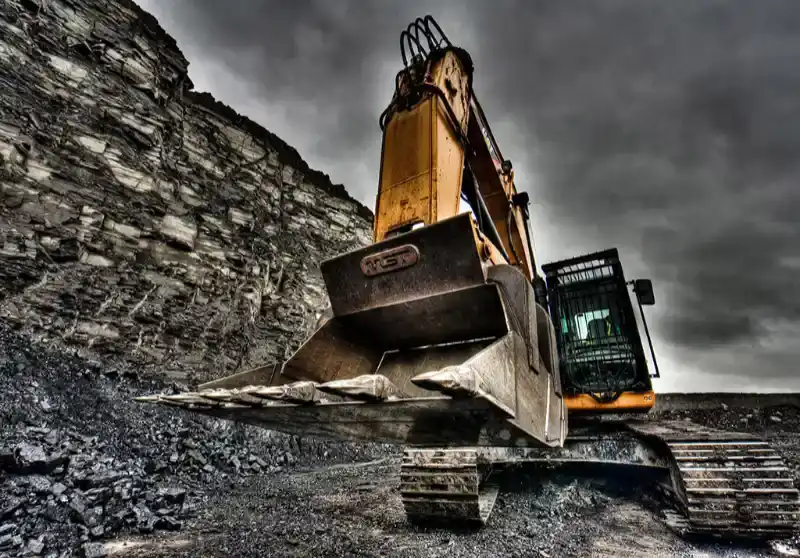
Roller Track Systems Explained: Are They the Backbone of Modern Heavy-Duty Trucks?
January 21, 2026
Roller track systems are often overlooked in discussions about heavy-duty truck performance, yet they quietly determine how reliably vehicles carry loads, handle terrain, and maintain uptime. For fleet owners, OEM buyers, and procurement managers, the short answer to the question is yes. Roller track systems form the mechanical foundation that supports vehicle stability, distributes weight, and minimizes friction under extreme operating conditions.
In practical terms, a well-designed roller track system ensures smoother operation on uneven surfaces, reduces wear on other undercarriage components, and extends overall service life. From mining trucks to construction and transport vehicles, these systems are no longer optional enhancements but essential engineering solutions. Understanding how they work and how to select the right components is critical for long-term operational efficiency.
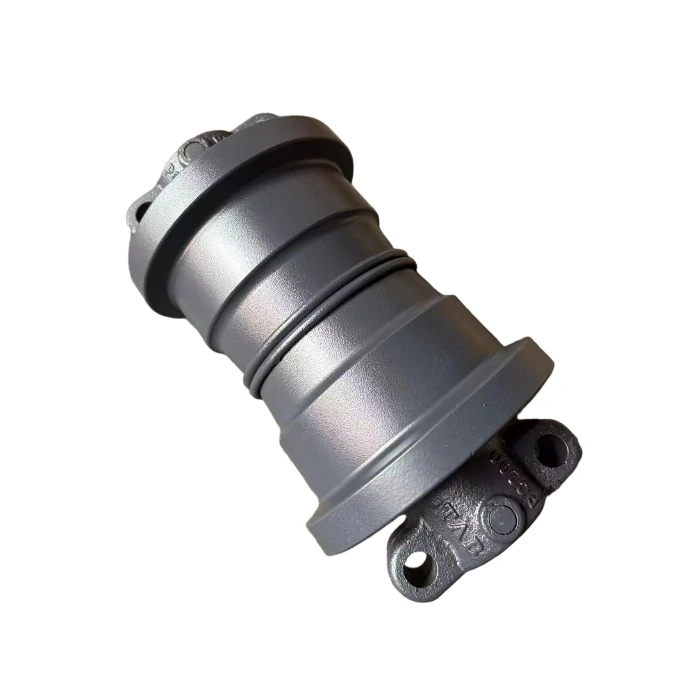
What Are Roller Track Systems and How Do They Function?
Roller track systems are assemblies of rollers and supporting structures that guide and support continuous tracks or moving loads. In heavy-duty truck and tracked vehicle applications, they are designed to carry substantial weight while maintaining consistent alignment and motion.
Core Components of a Roller Track System
A standard roller track system typically includes:
- Track rollers that bear vehicle weight
- Idler rollers for tension control and guidance
- Support frames and mounting hardware
- Seals and lubrication systems to reduce wear
Each component plays a specific role, but performance depends on how precisely they are engineered to work together. Poor alignment or inferior materials in one part can compromise the entire system.
Mechanical Role in Load Distribution
Roller track systems distribute loads evenly across the track or chassis. This reduces localized stress, prevents premature failure, and improves vehicle balance during operation on soft ground, slopes, or uneven terrain.
Why Are Roller Track Systems Critical in Heavy-Duty Truck Applications?
For decision-makers, the value of roller track systems lies in measurable operational outcomes.
Impact on Vehicle Stability and Control
In heavy-duty environments, trucks and tracked vehicles frequently operate under shifting loads. Roller track systems stabilize movement by maintaining consistent contact between tracks and ground surfaces. This stability directly affects safety and productivity.
Reduction of Maintenance and Downtime
Well-designed roller track systems reduce friction and vibration, which in turn lowers wear rates on adjacent components such as sprockets and tracks. Over time, this translates into fewer breakdowns and predictable maintenance schedules.
To fully understand the role of guidance and tension components within these systems, reviewing an in-depth idler roller definition can clarify how each roller contributes to system integrity.
How Do Track Rollers Influence Roller Track System Performance?
Track rollers are the load-bearing core of roller track systems. Their design, material, and sealing technology significantly affect durability and efficiency.
Structural Design and Materials
High-quality track rollers are typically manufactured from heat-treated alloy steel. Precision machining ensures tight tolerances, allowing smooth rotation even under heavy loads.
Sealing and Lubrication
Advanced sealing systems prevent contamination from dust, mud, and water. Proper lubrication minimizes internal friction, maintaining consistent performance over long operating cycles.
For buyers evaluating undercarriage components, sourcing reliable track roller solutions is essential for maintaining system stability across diverse operating conditions.
How Are Roller Track Systems Selected for Different Truck Models?
Not all roller track systems are interchangeable. Selection must align with vehicle specifications, working environment, and load characteristics.
Matching Rollers to Vehicle Weight and Duty Cycle
Heavier trucks require rollers with higher load ratings and reinforced bearings. Duty cycle considerations, such as continuous operation versus intermittent use, also influence material and seal selection.
Application-Specific Examples
For mid-size excavator-based truck systems, models like the PC200 track roller are engineered to balance load capacity with long service life in demanding environments.
Similarly, compact yet robust solutions such as the SK120 track roller are optimized for smaller platforms without compromising structural integrity.
If you are assessing compatibility or performance trade-offs for a specific fleet or project, you can contact our technical team for targeted recommendations based on operating conditions and equipment models.
What Are the Key Benefits of High-Quality Roller Track Systems?
Investing in high-quality roller track systems delivers both short-term and long-term advantages.
Operational Efficiency
Reduced rolling resistance improves fuel efficiency and allows smoother operation, especially in off-road or uneven terrain applications.
Extended Component Lifespan
Balanced load distribution lowers stress on tracks, frames, and suspension systems, extending the lifespan of multiple components simultaneously.
Predictable Lifecycle Costs
For procurement teams, this predictability simplifies budgeting and supports long-term asset management strategies.
Comparison of Typical Roller Track System Characteristics
Table 1: Roller Track System Features and Operational Impact
| Feature | Standard System | Heavy-Duty System |
|---|---|---|
| Load Capacity | Moderate | High |
| Sealing Technology | Basic | Advanced multi-lip |
| Maintenance Interval | Shorter | Extended |
| Application Scope | Light to medium duty | Continuous heavy-duty |
FAQ: Roller Track Systems for Truck and Fleet Buyers
What industries rely most on roller track systems?
Construction, mining, logistics, and infrastructure sectors rely heavily on roller track systems for tracked trucks and heavy equipment.
How often should roller track systems be inspected?
Inspection intervals depend on operating conditions, but routine checks during scheduled maintenance cycles are recommended.
Can roller track systems be customized?
Yes. Customization can include roller dimensions, materials, and sealing systems to suit specific vehicle models and environments.
Do higher-quality roller track systems reduce total cost of ownership?
In most cases, yes. Improved durability and reduced downtime offset higher initial investment costs.
About Tianzhong Machinery
Tianzhong Machinery is a professional truck parts supplier specializing in undercarriage components and roller track systems for heavy-duty vehicles. With a focus on precision manufacturing, material reliability, and application-specific engineering, Tianzhong Machinery supports global customers with durable solutions designed to perform in demanding operating environments.
References
- Wikipedia – Continuous track
https://en.wikipedia.org/wiki/Continuous_track - Wikipedia – Roller bearing
https://en.wikipedia.org/wiki/Rolling-element_bearing - ISO 281: Rolling Bearings – Dynamic Load Ratings
https://www.iso.org/standard/38101.html