.png)
.png)


What Are the Main Idler Roller Types and How Do You Choose the Right One?
January 10, 2026
Understanding idler roller types is essential for anyone involved in the design, operation, or procurement of heavy-duty vehicle and industrial systems. The short answer is that idler rollers come in several specialized forms, each engineered to support, guide, or tension moving components such as belts, chains, and tracks under specific load and environmental conditions. Choosing the wrong type can lead to misalignment, excessive wear, and costly downtime, while selecting the right one improves system stability and service life.
This article provides a structured overview of the most common idler roller types, how they differ, where they are used, and what factors B2B buyers should consider when selecting them for demanding applications.
Why Understanding Idler Roller Types Matters in Heavy-Duty Systems
Idler rollers are often underestimated because they do not transmit power. However, in heavy-duty systems, they are critical to maintaining alignment, tension, and load distribution. Different idler roller types exist because operating conditions vary widely across industries such as transportation, construction, mining, and material handling.
Selecting the correct type affects:
- Equipment reliability and uptime
- Wear patterns of belts, chains, or tracks
- Maintenance frequency and cost
- Overall system efficiency
For procurement teams, understanding idler roller types also helps in evaluating suppliers, standardizing spare parts, and avoiding mismatched components that can compromise performance.
Flat and Straight Idler Rollers
Flat idler rollers are among the most common idler roller types. They are designed to support belts or chains in a straight path without changing direction.
These rollers are typically used in:
- Conveyor belt systems
- Engine accessory belt routing
- Light to medium-duty material handling equipment
Flat idler rollers help prevent sagging and maintain consistent belt contact. Their simple structure allows for easy installation and replacement, making them popular in systems where alignment precision is more important than directional control.
Despite their simplicity, flat idlers must still be carefully matched to load capacity and bearing quality, especially in continuous-operation environments.
Trough and Impact Idler Rollers
Trough idler rollers are designed to support belts that carry bulk materials. They are arranged at angles to form a trough shape, increasing load capacity and preventing material spillage.
Impact idler rollers, a variation of trough idlers, are installed at loading points where belts experience high impact forces.
Key characteristics include:
- Reinforced frames for higher loads
- Rubber or shock-absorbing surfaces
- Enhanced bearing protection
These idler roller types are commonly found in mining, quarrying, and bulk logistics systems, where durability and shock resistance are critical. Their design reduces belt damage and extends service life in harsh operating conditions.
Return Idler Rollers
Return idler rollers support the underside of belts on their return path. While they do not carry material, they play a vital role in maintaining belt tracking and minimizing vibration.
Common features include:
- Smooth or spiral surfaces
- Lower load ratings compared to carrying idlers
- Anti-material buildup designs
In dusty or sticky environments, spiral return idlers are often preferred because they reduce material accumulation on the belt surface. This helps maintain consistent belt tension and reduces cleaning requirements.
Although return idlers may appear secondary, improper selection can lead to belt misalignment and accelerated wear.
Track Idler Rollers for Heavy-Duty Vehicles
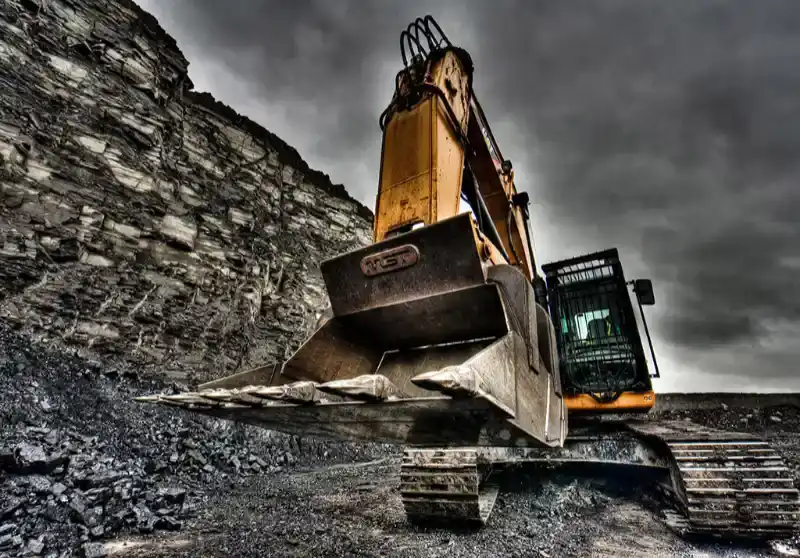
Track idlers represent one of the most specialized idler roller types and are essential components in tracked vehicles such as excavators, bulldozers, and agricultural machinery.
Their main functions include:
- Guiding the track assembly
- Maintaining track tension
- Distributing load evenly across the undercarriage
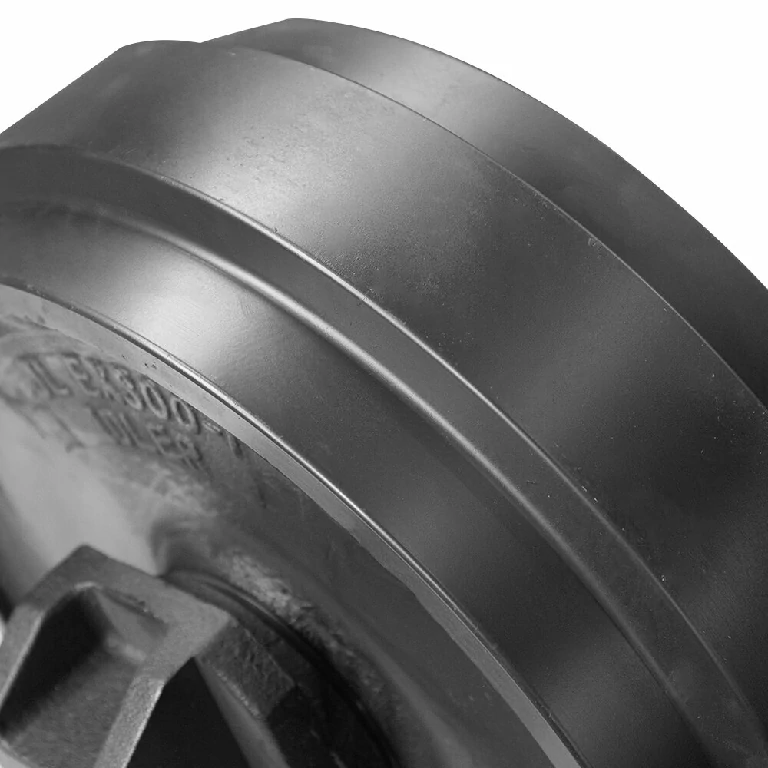
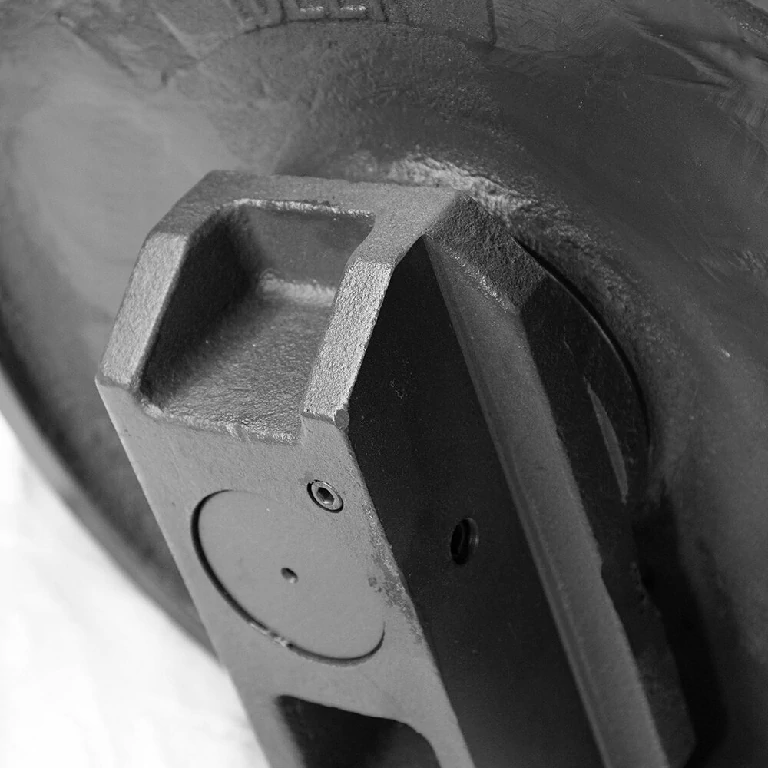
Track idlers are subject to extreme loads, abrasive environments, and constant vibration. As a result, they are manufactured from high-strength steel with hardened surfaces and sealed bearing systems.
For buyers sourcing components from a professional truck parts supplier, track idlers are often specified based on machine model, operating weight, and terrain conditions.
Belt Tensioner and Adjustable Idler Rollers
Some idler roller types are designed specifically for tension control. Adjustable idler rollers and belt tensioners allow fine-tuning of belt or chain tension during installation and maintenance.
These rollers are widely used in:
- Engine belt systems
- Industrial machinery drives
- Automated production lines
Their adjustability improves system stability and compensates for belt stretch over time. However, they require precise installation to avoid uneven load distribution on bearings.
Understanding how these idlers function is closely linked to a clear idler roller definition, as tension management is one of the core purposes of idler rollers.
Comparison of Common Idler Roller Types
The table below summarizes key differences among major idler roller types to help buyers quickly compare options.
| Idler Roller Type | Primary Function | Typical Load | Common Applications |
|---|---|---|---|
| Flat idler | Support, alignment | Low–medium | Conveyors, belt routing |
| Trough idler | Load carrying | High | Bulk material transport |
| Impact idler | Shock absorption | Very high | Loading zones |
| Return idler | Belt return support | Low | Conveyor return paths |
| Track idler | Track guidance | Extreme | Tracked vehicles |
| Adjustable idler | Tension control | Medium | Engine and machine drives |
This comparison highlights why a one-size-fits-all approach does not work when selecting idler rollers.
Materials, Bearings, and Environmental Factors
Beyond functional type, idler roller performance is influenced by materials and internal components. Heavy-duty idler rollers typically use:
- Forged or cast steel shells
- Heat-treated shafts
- Sealed or double-sealed bearings
Environmental exposure also matters. Rollers operating in wet, corrosive, or abrasive environments require enhanced sealing and corrosion-resistant materials.
From a B2B perspective, evaluating idler roller types must include both mechanical design and environmental compatibility to ensure long-term reliability.
How Idler Roller Types Affect Maintenance and Cost
Different idler roller types have different maintenance profiles. Heavy-load and impact idlers typically require more robust inspection routines, while return idlers may focus on cleanliness and alignment.
Correct selection results in:
- Reduced unplanned downtime
- Lower replacement frequency
- More predictable maintenance schedules
Buyers sourcing standardized idler roller solutions often benefit from easier inventory management and faster replacement cycles, especially across large fleets or industrial facilities.
FAQ: Idler Roller Types
Q1: How many idler roller types are commonly used in industry?
There are several major categories, including flat, trough, return, impact, track, and adjustable idlers, with variations within each group.
Q2: Are idler roller types interchangeable?
No. Each type is designed for specific load and functional requirements. Using the wrong type can cause premature failure.
Q3: Which idler roller types are used in heavy-duty trucks?
Belt tensioner idlers and track idlers are most common in heavy-duty vehicle applications.
Q4: How do I choose the right idler roller type?
Selection depends on load, speed, environment, alignment requirements, and system design.
Q5: Can idler rollers be customized by type?
Yes. Dimensions, materials, bearing systems, and sealing can be customized to suit specific applications.
Why Tianzhong Machinery Is a Trusted Idler Roller Manufacturer
Tianzhong Machinery specializes in the design and manufacturing of high-quality idler rollers for heavy-duty and industrial applications. With deep expertise in material selection, precision machining, and bearing integration, Tianzhong Machinery delivers idler roller solutions that meet demanding performance and durability standards.
Our product range covers multiple idler roller types, supporting applications in transportation, construction equipment, and material handling systems. By focusing on reliability, consistency, and application-specific engineering, Tianzhong Machinery helps global customers reduce maintenance costs and extend equipment service life.
References
- Wikipedia – Idler: https://en.wikipedia.org/wiki/Idler
- Britannica – Conveyor and Roller Systems
- ISO Standards for Rolling Bearings and Mechanical Components
- Engineering Handbook on Conveyor Design and Maintenance