.png)
.png)


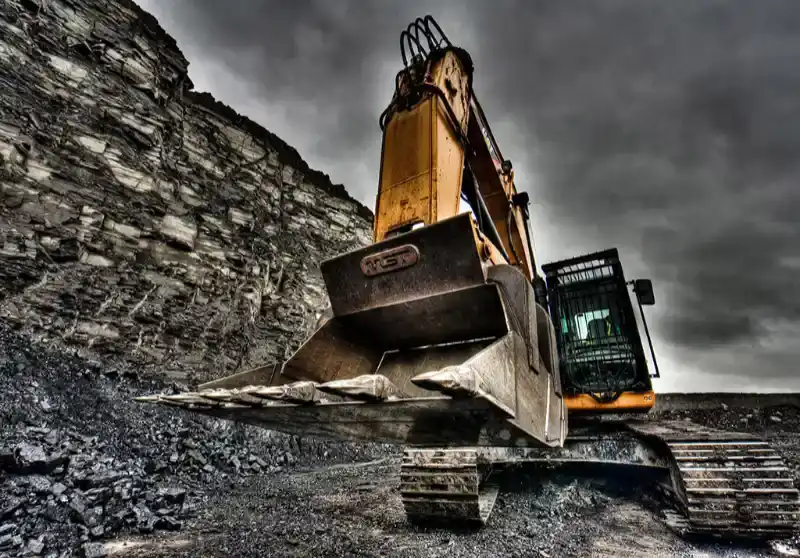
Что такое определение ролика и почему он имеет решающее значение для систем тяжелых транспортных средств?
7 января 2026 года
The idler roller definition refers to a non-driven roller designed to guide, support, and maintain proper tension of moving components such as belts, chains, or tracks. While it does not transmit power, its role is essential. In heavy-duty vehicles and industrial equipment, idler rollers ensure alignment, reduce wear, stabilize motion, and extend the service life of surrounding components.
For B2B buyers, understanding the idler roller definition is not just a matter of terminology. It directly affects equipment reliability, maintenance planning, and total cost of ownership. In this article, we explain what an idler roller is, how it works, where it is used, and why selecting the right design is critical for heavy-duty applications.
Understanding the Core Function of an Idler Roller
At its most fundamental level, an idler roller supports motion without generating it. Unlike drive rollers or sprockets, idler rollers rotate freely, guided by bearings that minimize friction. Their primary function is to maintain the correct path and tension of a moving system.
In heavy-duty vehicle systems, idler rollers commonly:
- Guide conveyor belts or tracks
- Maintain chain or belt alignment
- Absorb shock and vibration
- Prevent sagging or lateral movement
Although mechanically simple, the idler roller plays a strategic role. Improper alignment or poor material quality can cause premature belt failure, uneven load distribution, and increased fuel or energy consumption.
For this reason, engineers consider idler rollers a critical reliability component rather than a passive accessory.
Types of Idler Rollers Used in Heavy-Duty Applications
The idler roller definition expands when applied to real-world equipment. Different systems require different idler roller designs, each optimized for load, speed, and environment.
Common types include:
- Flat idler rollers for straight belt support
- Trough idler rollers for load-carrying conveyors
- Return idler rollers supporting the belt return path
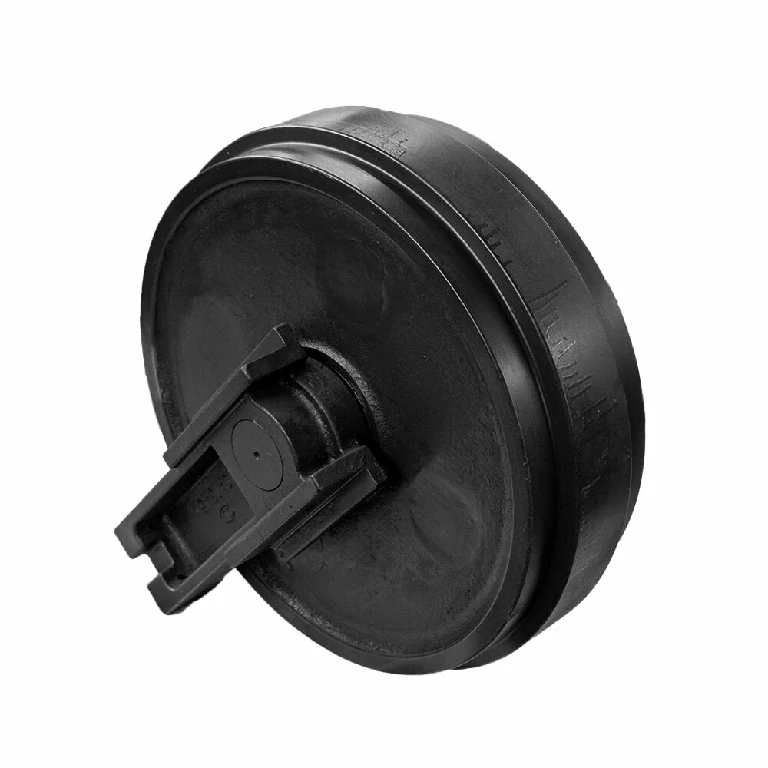
- Track idlers used in tracked vehicles and construction machinery
In heavy-duty trucks and off-road equipment, track idlers are particularly important. They guide the track assembly, maintain tension, and help distribute load evenly across the undercarriage.
Because of these varied roles, sourcing from an experienced поставщик запчастей для грузовиков is essential to ensure the correct configuration and material selection for each application.
Materials and Structural Design Considerations
Material choice is a defining factor in idler roller performance. Heavy-duty environments expose rollers to dust, mud, water, extreme temperatures, and high mechanical loads.
Typical materials include:
- Carbon steel for high load-bearing capacity
- Alloy steel for enhanced fatigue resistance
- Surface-hardened steel for wear resistance
- Rubber-coated rollers for noise reduction and impact absorption
The internal bearing system is equally important. Sealed bearings protect against contamination and reduce maintenance requirements, while high-precision machining ensures smooth rotation under load.
From a B2B procurement perspective, these design elements directly influence lifecycle cost. A low-cost roller with poor sealing may fail quickly, leading to downtime that far outweighs the initial savings.
Idler Rollers in Heavy-Duty Truck and Industrial Systems
The idler roller definition becomes especially relevant in heavy-duty truck and industrial equipment systems. These rollers are commonly found in:
- Conveyor systems in mining and logistics
- Tracked construction and agricultural vehicles
- Engine accessory belt systems
- Material handling and processing equipment
In heavy-duty truck applications, idler rollers often support belt-driven systems that power alternators, compressors, and cooling fans. Misalignment or bearing failure in these rollers can lead to belt slippage, overheating, and unexpected breakdowns.
That is why buyers sourcing запчасти для большегрузных автомобилей must evaluate idler rollers not only for fitment but also for load rating, bearing life, and environmental resistance.
How Idler Rollers Improve System Efficiency and Longevity
Although idler rollers do not drive motion, they significantly influence system efficiency. Properly designed idler rollers reduce friction and vibration, allowing belts and chains to operate smoothly.
Key performance benefits include:
- Reduced energy loss
- Lower operating temperatures
- Extended belt and chain life
- Improved system stability
In continuous-operation environments, even small reductions in friction can result in measurable energy savings over time. This makes idler rollers a subtle but powerful contributor to operational efficiency.
From an engineering standpoint, the idler roller definition extends beyond form and function into system optimization.
Comparison of Idler Rollers vs Drive Rollers
Understanding what an idler roller is also requires understanding what it is not. The table below highlights the differences between idler rollers and drive rollers.
| Характеристика | Ролик ведомого колеса | Drive Roller |
|---|---|---|
| Power transmission | No | Yes |
| Primary function | Support and guide | Drive motion |
| Bearing load | High radial load | Combined load |
| Wear pattern | Bearing-focused | Surface and bearing |
| Maintenance impact | Alignment critical | Torque critical |
This distinction is important when specifying components. Installing a drive roller where an idler roller is required, or vice versa, can lead to rapid system failure.
Common Failure Modes and How to Prevent Them
Despite their simplicity, idler rollers are subject to wear and failure if improperly selected or maintained.
Common failure causes include:
- Bearing contamination
- Misalignment
- Overloading beyond design limits
- Inadequate lubrication
Preventive strategies involve selecting rollers with proper sealing, matching load ratings to real operating conditions, and conducting routine inspections.
When sourcing replacement components, buyers often look for standardized and application-specific solutions such as those found in a dedicated натяжной ролик product range.
FAQ: Idler Roller Definition and Applications
Q1: What is the basic idler roller definition?
An idler roller is a non-driven roller that supports, guides, and maintains tension in belts, chains, or tracks.
Q2: Do idler rollers affect energy efficiency?
Yes. By reducing friction and maintaining alignment, idler rollers contribute to smoother operation and lower energy loss.
Q3: Are idler rollers load-bearing components?
They are designed to carry radial loads but do not transmit torque like drive rollers.
Q4: How long do idler rollers typically last?
Service life depends on load, environment, and bearing quality, but high-quality rollers can operate for thousands of hours.
Q5: Can idler rollers be customized?
Yes. Dimensions, materials, bearing types, and sealing systems can be tailored to specific applications.
Why Tianzhong Machinery Is a Trusted Idler Roller Manufacturer
Tianzhong Machinery specializes in the engineering and manufacturing of high-performance idler rollers for heavy-duty and industrial applications. With a focus on precision machining, material optimization, and strict quality control, Tianzhong Machinery delivers components designed for long service life and stable performance.
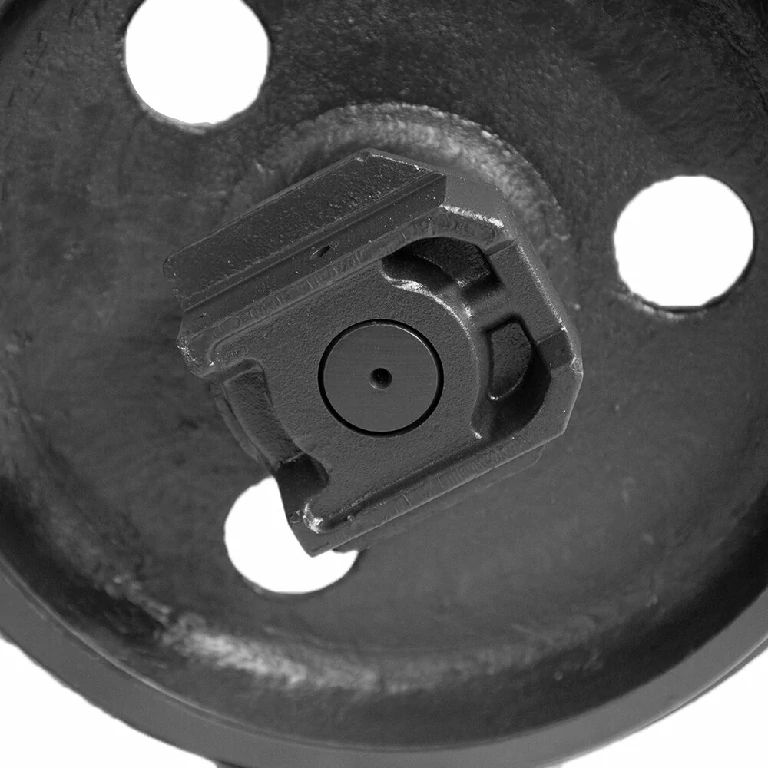
Our idler rollers are developed to meet demanding operating conditions, supporting industries such as heavy-duty transportation, construction equipment, and material handling. By combining manufacturing expertise with application-driven design, Tianzhong Machinery helps customers reduce downtime, improve reliability, and optimize system performance across global markets.
Ссылки
- Wikipedia – Idler: https://en.wikipedia.org/wiki/Idler
- Britannica – Roller Mechanisms and Bearings
- ISO Standards on Rolling Bearings and Mechanical Components
- Engineering Handbook of Mechanical Design, Conveyor and Roller Systems