.png)
.png)



-
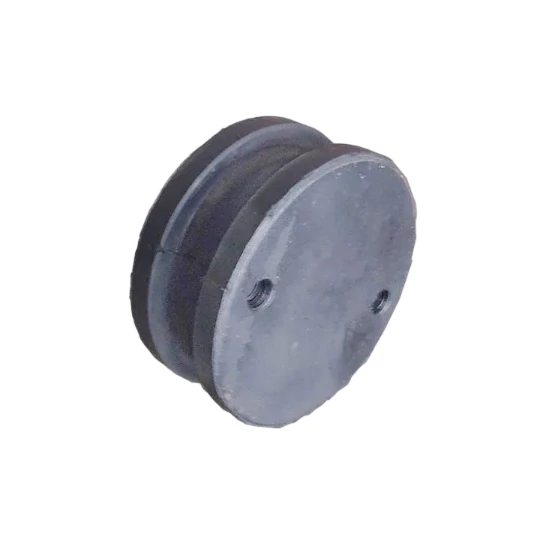
A Practical 7-Point Checklist: Selecting the Right Replacement Undercarriage Parts in 2026
Ler maisAbstract The undercarriage of heavy machinery represents a substantial financial commitment, frequently accounting for over half of a machine's lifetime repair expenditures. Selecting appropriate replacement undercarriage parts is therefore a decision of profound economic and operational consequence. This analysis offers a comprehensive framework for navigating the complexities of sourcing these components in 2026. It deconstructs […]
-
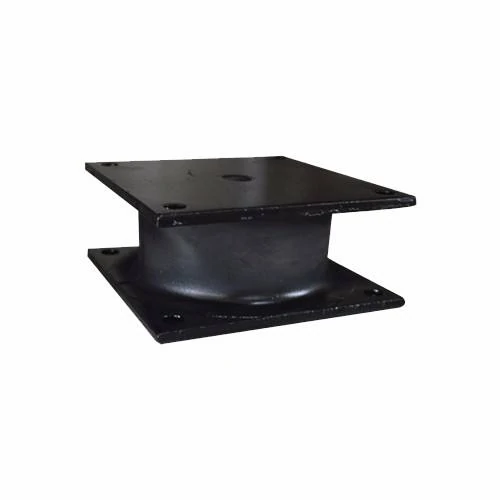
A Practical Guide to the 7 Core Systems on a Car Undercarriage Parts Diagram
Ler maisAbstract The undercarriage of a vehicle represents a complex, integrated system foundational to its operation, safety, and performance. An examination of its constituent parts reveals a sophisticated interplay of mechanical engineering, materials science, and physics, all working in concert to support the vehicle's mass, absorb road imperfections, facilitate directional control, and transmit motive power. This […]
-
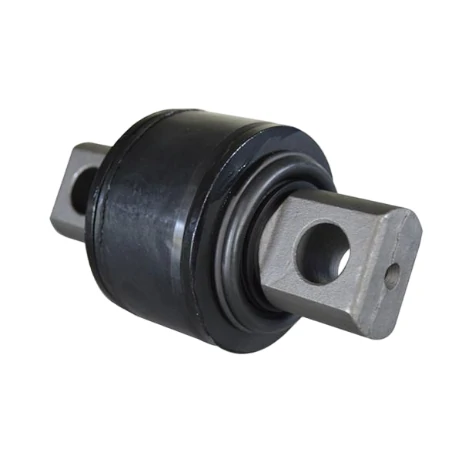
5 Data-Backed Trends Shaping the 2026 Automotive Torque Rod Bush Market
Ler maisAbstract The global automotive torque rod bush market is undergoing a significant transformation driven by a confluence of technological, economic, plus environmental pressures. An examination of the sector in 2026 reveals a pronounced shift away from traditional rubber compounds toward advanced elastomers like polyurethane, prized for their superior durability along with performance characteristics under strenuous […]
-
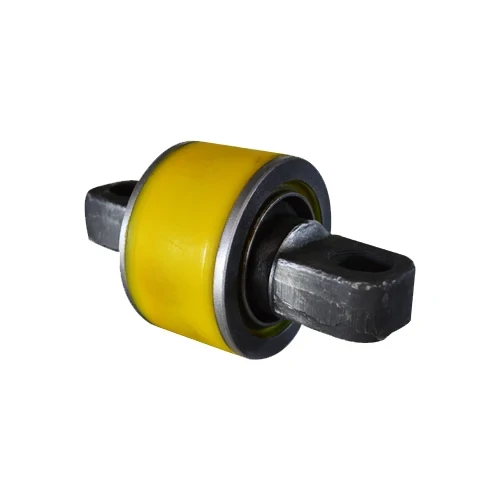
Expert Guide 2026: What is the Rod Assy-Torque & 3 Signs of Failure
Ler maisAbstract The rod assy-torque, a fundamental component within the suspension systems of heavy-duty trucks and off-road machinery, plays a pivotal role in maintaining vehicle stability, safety, and operational efficiency. This assembly, often referred to as a torque rod or reaction rod, is engineered to absorb and counteract the rotational forces (torque) exerted on the axle […]

Notícias
A Tianzhong Machinery orgulha-se do serviço que presta e acredita que o serviço está sempre em primeiro lugar. A nossa vasta gama de produtos ajuda a reduzir ao mínimo o tempo de inatividade das máquinas e os custos de reparação.